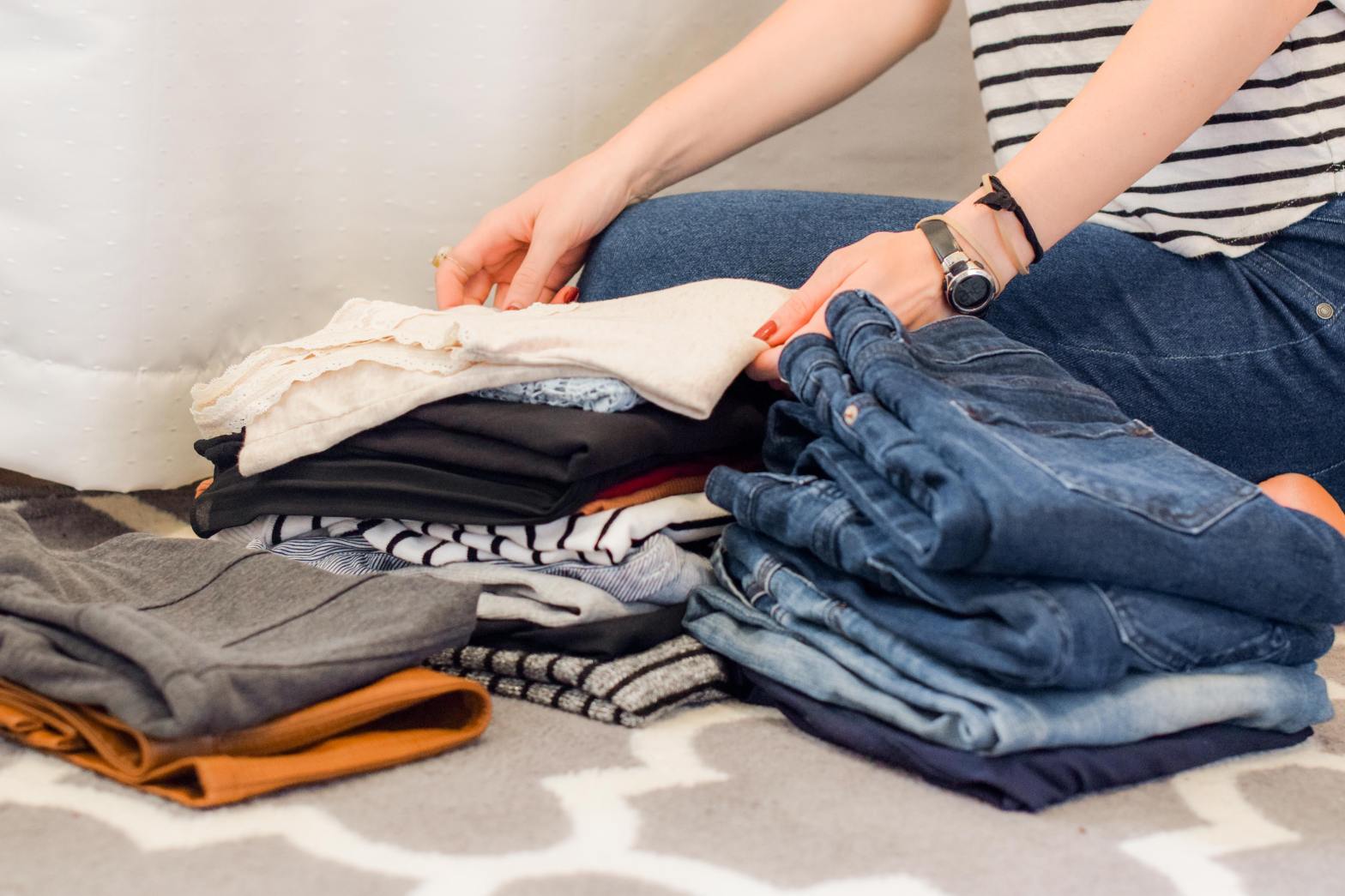
Designer clothes that last much longer are better for the environment than fast fashion alternatives. Besides being wearable and durable, designer clothing can also be sold if you no longer need it. If you have some unworn designer clothes that don’t fit or don’t suit your current clothing style, this article can help. We take a look at some tips for selling your second-hand designer clothes.
Research the market
Start by looking at the price others are selling and fetching for similar designer items. This will help you figure out how much you should charge when you list your designer clothing. Some websites come with a listing fee, so you want to avoid pricing your items too high. Otherwise, they might not sell. You also need to avoid setting the price too cheap as we’re sure you want to make as much money back as possible. Look at similar quality items from the same designers; if you can’t find an exact match, you can research the price of pieces from other designers of the same calibre. Get a view from several different websites; this will help you decide the figure you want to charge for your designer clothes. Take into consideration the age and condition of the item as well as the designer and original cost.
List on-trend items
If you have any designer clothing items that are on trend or in season at the moment, these are much more likely to achieve a good price and sell quickly. Listing these first and placing your effort on fetching a good price for them is a good strategy. If you have items that are not in fashion or suitable for the current season, you might want to hold on to them. You can get more interest and a higher price if you sell items in high demand during the season when people need them.
Clean and iron clothing
To get the best possible price and attract more interest, you need to invest time in ensuring your items are clean and ironed. A shabby-looking dress with stains and creases will fetch less money and have fewer people interested compared to a mint-condition designer dress. Some websites, such as eBay, can work on a bidding system; having more than one person interested can help to boost the sales price and increase the money you get in return.
Choose your sales website
There are many different websites where you can sell old clothing and designer items. Try to choose a website that is popular with the people that are likely to want the items you’re selling. For example, if you have some designer items by Victoria Beckham, you should opt for a selling site that attracts women over the age of 25; this is the kind of demographic that typically buys Victoria Beckham’s designer clothing. It can be hard to work this out, but a good rule is if you’re selling items you had a few years ago, they’re likely to appeal to a younger demographic. If you’d still wear the item, but it doesn’t fit, opt for a website you’d use to buy clothing. Many second-hand sales websites appeal to a vast range of women and men. If you’re struggling to sell an item on one website, you could always list it on a few to give you more opportunities to reach a wider audience.
Photos and lighting
When selling designer clothing, you should take a variety of photos in good lighting to show off the product you’re trying to sell. Photos of the garment alone and photos of someone wearing the item can help potential buyers get a better idea of what the clothing will look like on them. Always photograph any issues or stains on the clothing and be upfront. Otherwise, you might get a bad reputation as a seller and receive complaints.
Remember fees
When selling garments online, there are often certain fees associated with the sale. This can vary between each website. Do your research before making a listing, and factor in any fees the website may charge. In addition, you’re also going to need to post the item. Make sure you calculate the postage costs before setting your postage amount. Some large items can be more expensive than you think, and you’ll want to avoid making a loss on your postage.
 One Stop Blog